HomeOral Surgery

Comprehensive care does not stop at surgery.

Extractions, bone grafting and implant placement, done in this building by the specialist who will also restore the tooth afterwards.

The procedures
In-officeNot referred out
CT-guidedPlanned before placed
SedationNitrous, oral or IV
Why Here

The person who removes it also replaces it.

In most practices these two halves belong to different people. A general dentist refers the extraction out to a surgeon; months later somebody else works out what goes back in the space. Between them sits a handover, and the handover is where the plan gets lost.

Here it is one practice and one plan. The extraction is performed knowing exactly what is going into the site afterwards, which changes how it is performed — how much bone is preserved, whether a graft goes in at the same visit, where the implant will need to sit eighteen weeks later.

That is the whole argument for comprehensive care, and it is not an abstract one. It is the difference between a socket that is ready for an implant and one that has to be rebuilt first.

Procedures

Three procedures, in the comfort of the office.

Each is done here, with advanced technology used to keep it minimally invasive, efficient and predictable.

01

Tooth extraction

The most common oral surgery there is, and generally simple enough to complete in the chair. The tooth is eased out without disturbing healthy bone or gum tissue — which matters enormously if anything is going back in the space later. Wisdom tooth removal is the more complex form and can take a few hours.

02

Bone grafting

Replacing lost bone in the jaw. Bone loss after a missing tooth is ongoing rather than one-off, and it has to be treated before a denture or an implant has anything to hold on to. Bone from you or from a donor source is placed at the site, sutured, and left a few months to integrate with the jaw.

03

Implant surgery

Three parts: the post, the abutment and the restoration. The post is placed into the jawbone to anchor a new tooth or a full set. CT-guided placement makes it precise, and for qualifying patients a temporary restoration can be loaded immediately.

Implants in full
Comfort

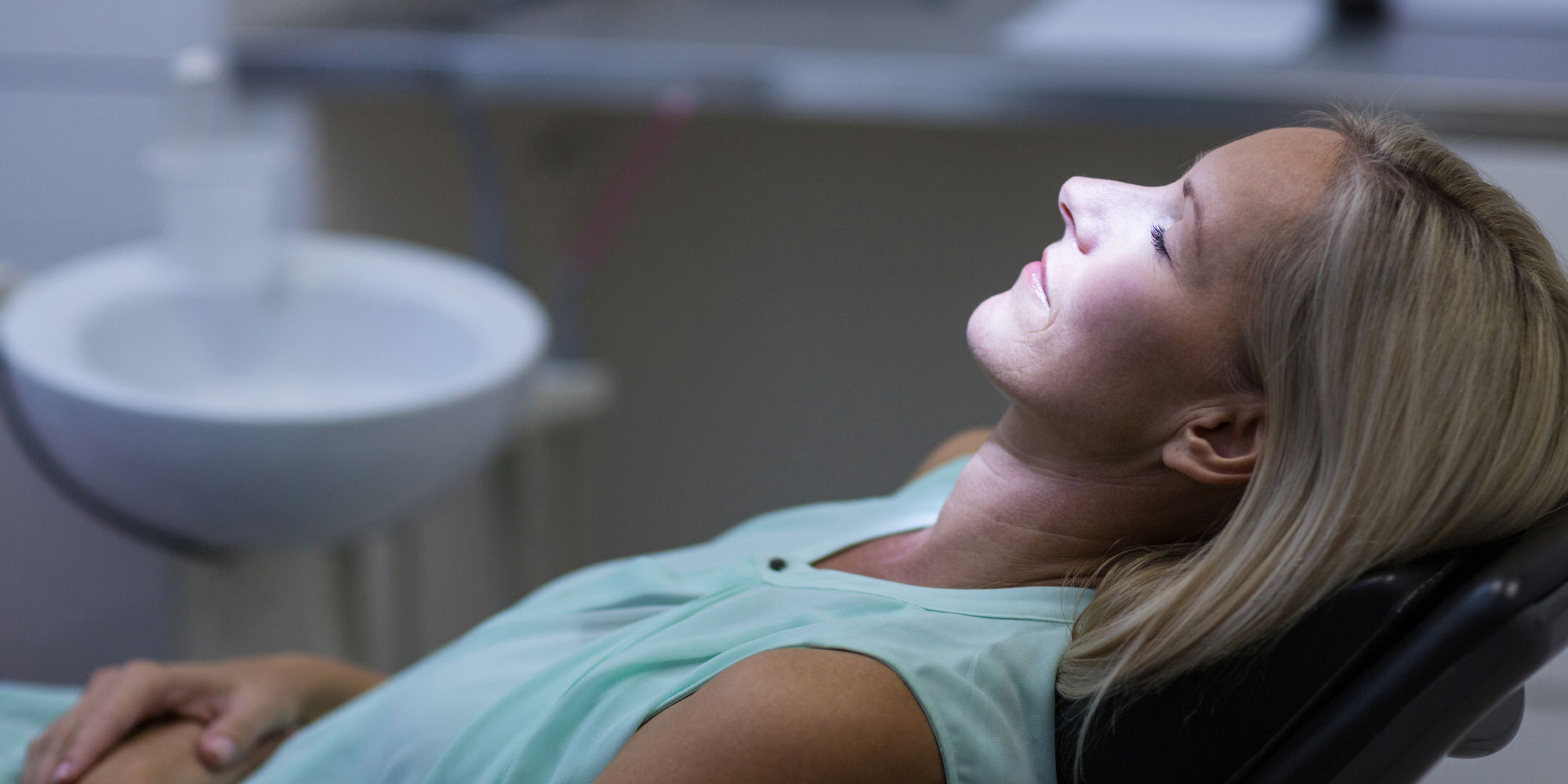
Being nervous about this is normal.

Nobody looks forward to oral surgery, and the practice does not pretend otherwise. What it does instead is remove the reasons the fear is usually justified.

  • Techniques kept as minimally invasive as the case allows
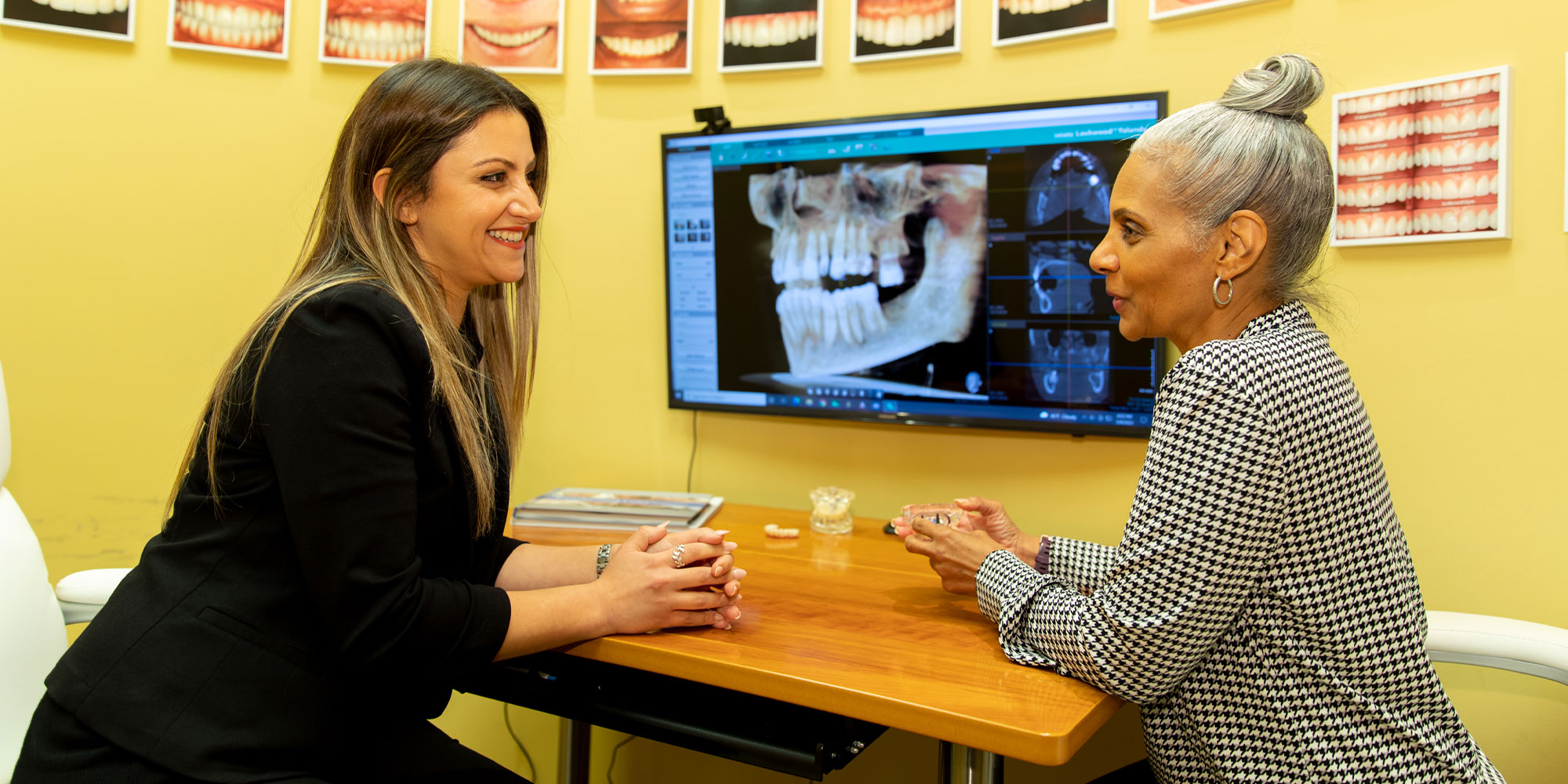
  • Planned on a 3D scan first, so less is done by feel
  • Nitrous, oral or IV sedation, whichever suits you
  • A private suite, with the door closed

Sedation is worth raising early rather than on the day. IV sedation in particular has to be arranged, and it is the option that makes the difference for people who have been putting a procedure off for years.

The three sedation options

Receive the care you need.

Book a consultation and get the whole sequence explained before any of it starts — including what happens after the surgery, which is the part that usually goes unmentioned.

McLean · (571) 619-9442Alexandria · (571) 410-3430